





4 products
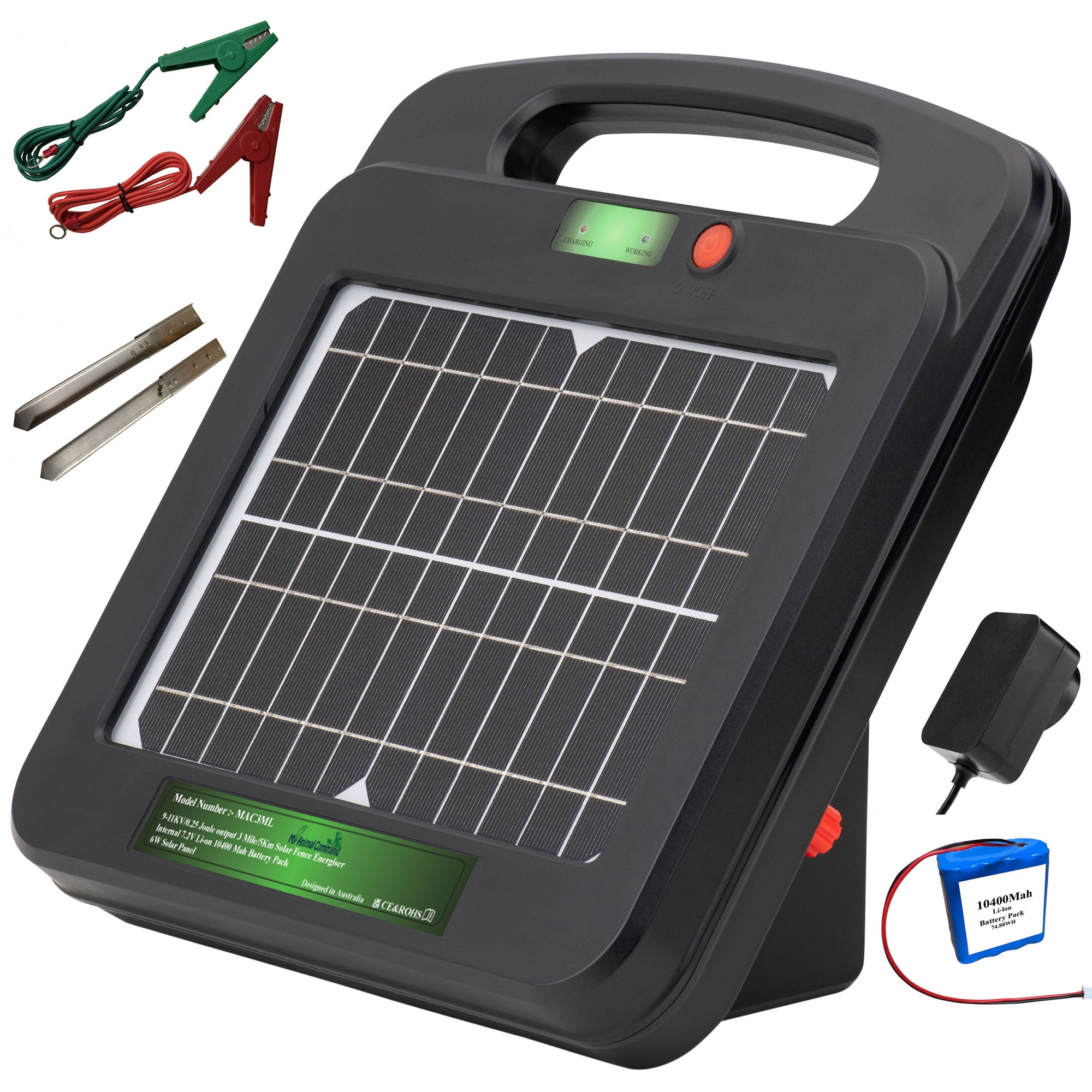
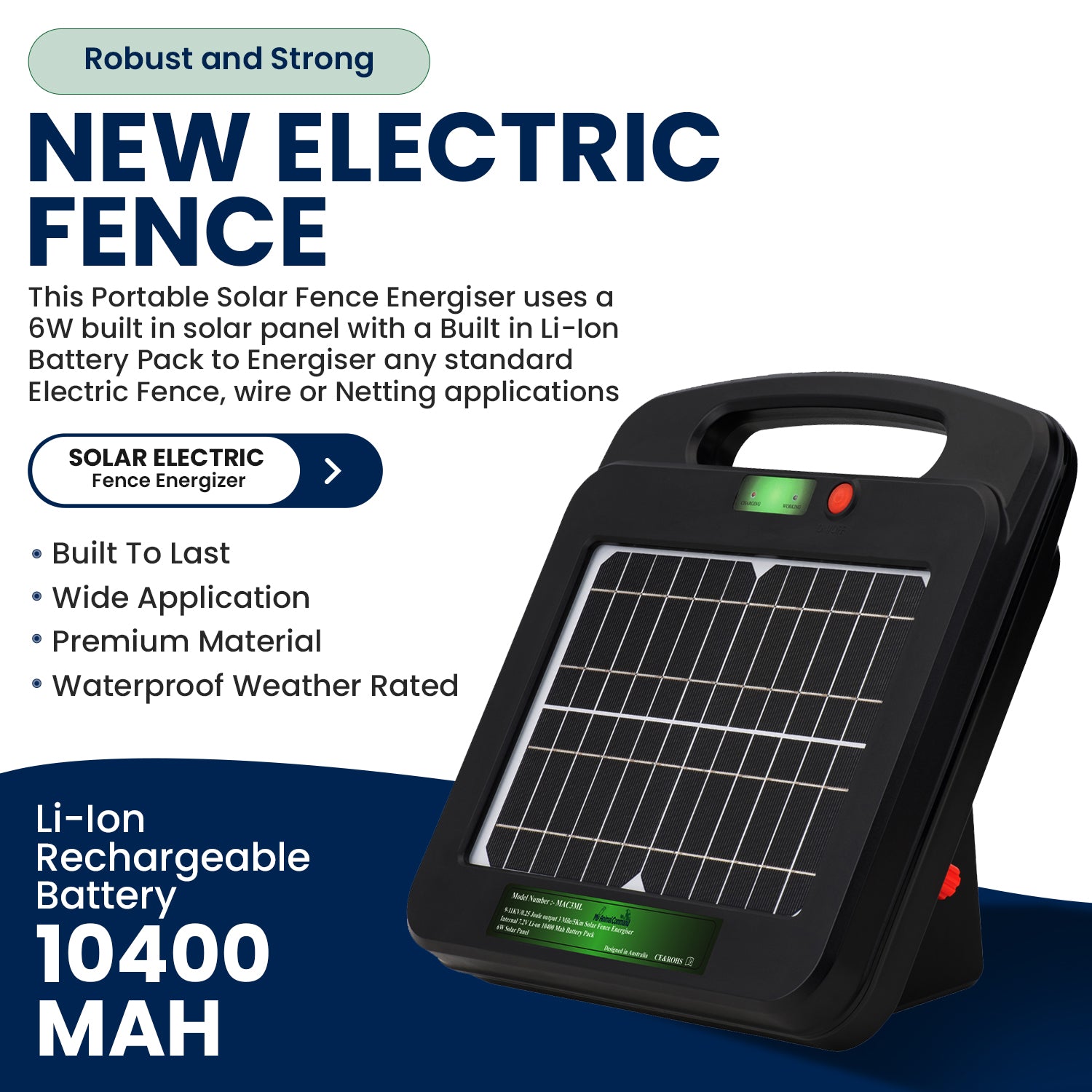
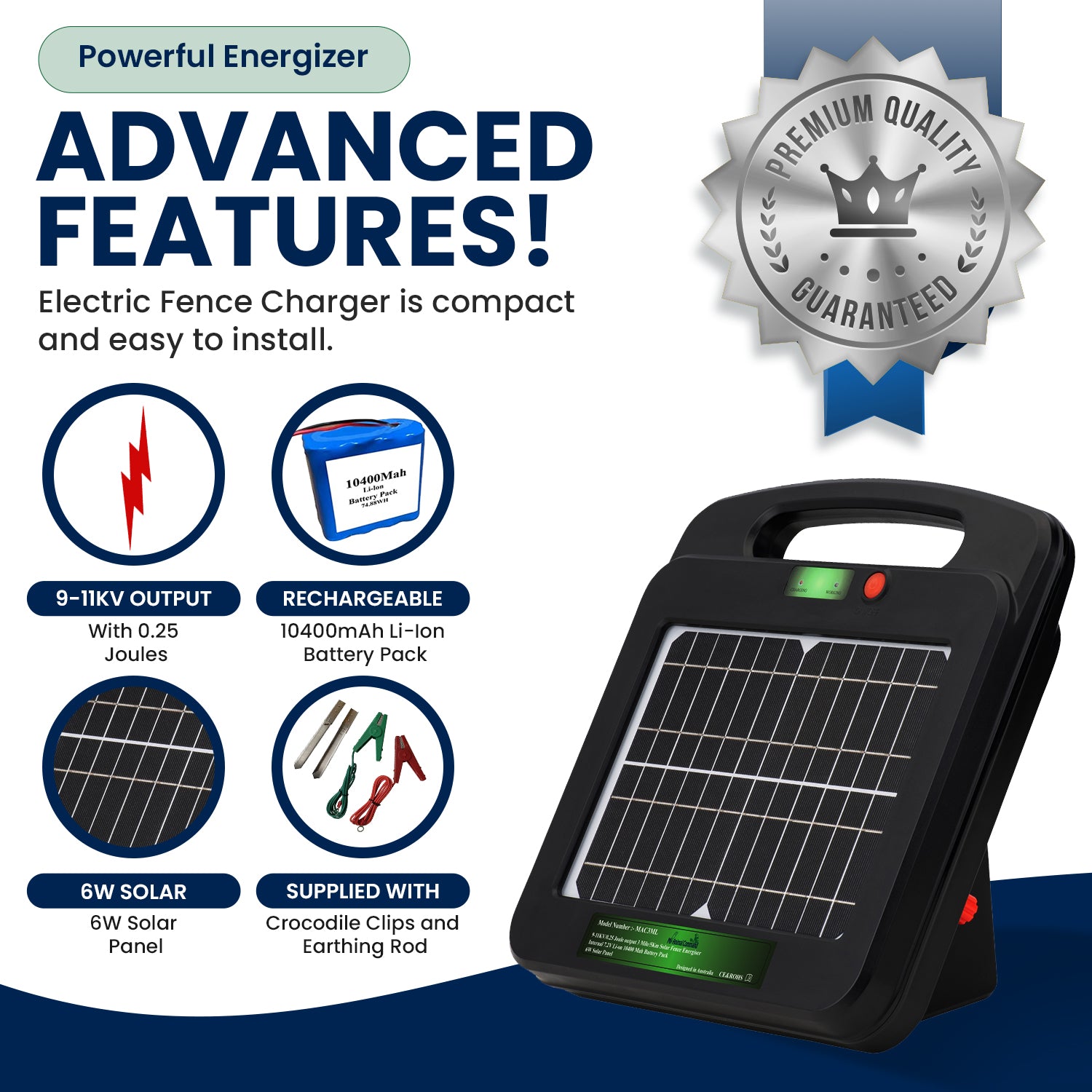

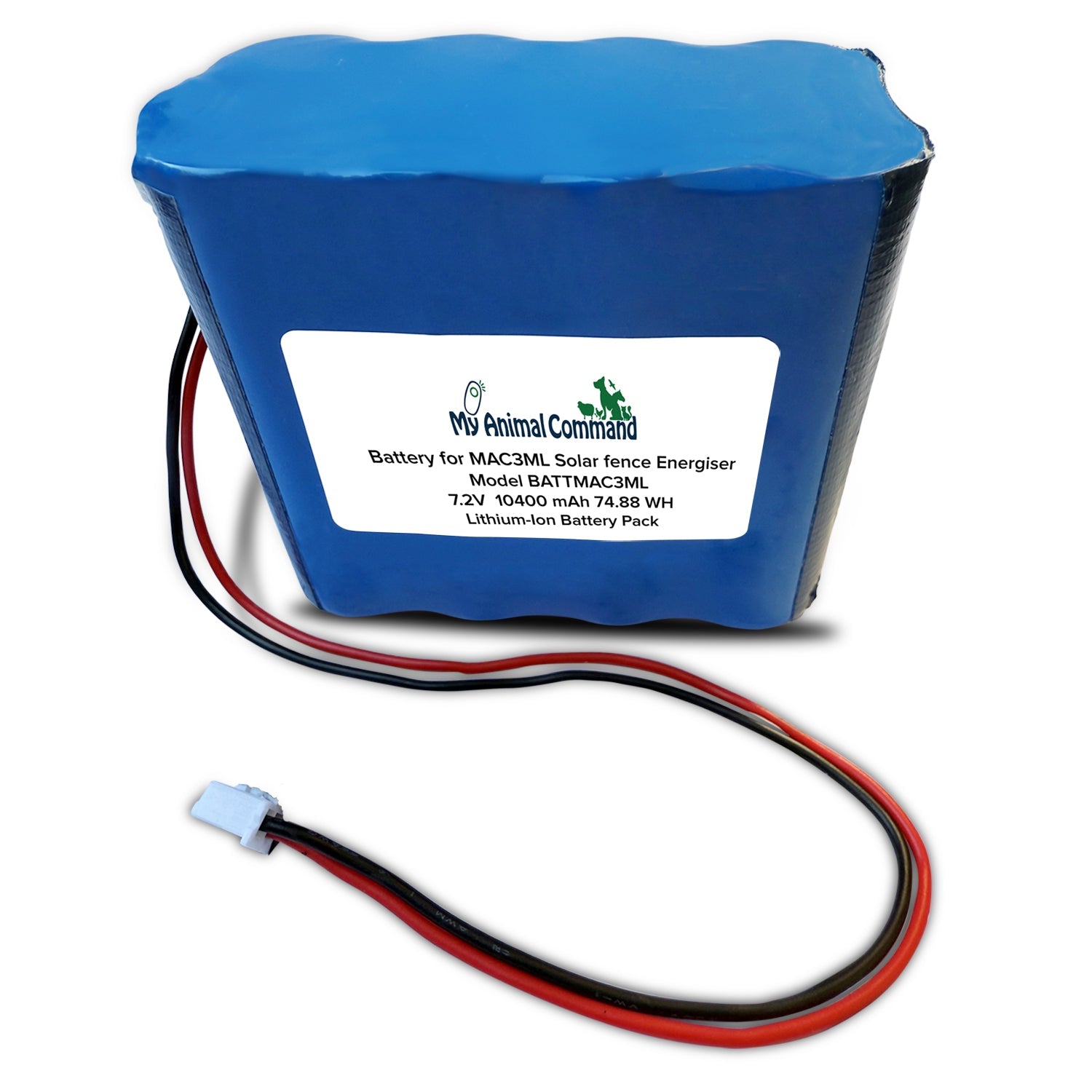
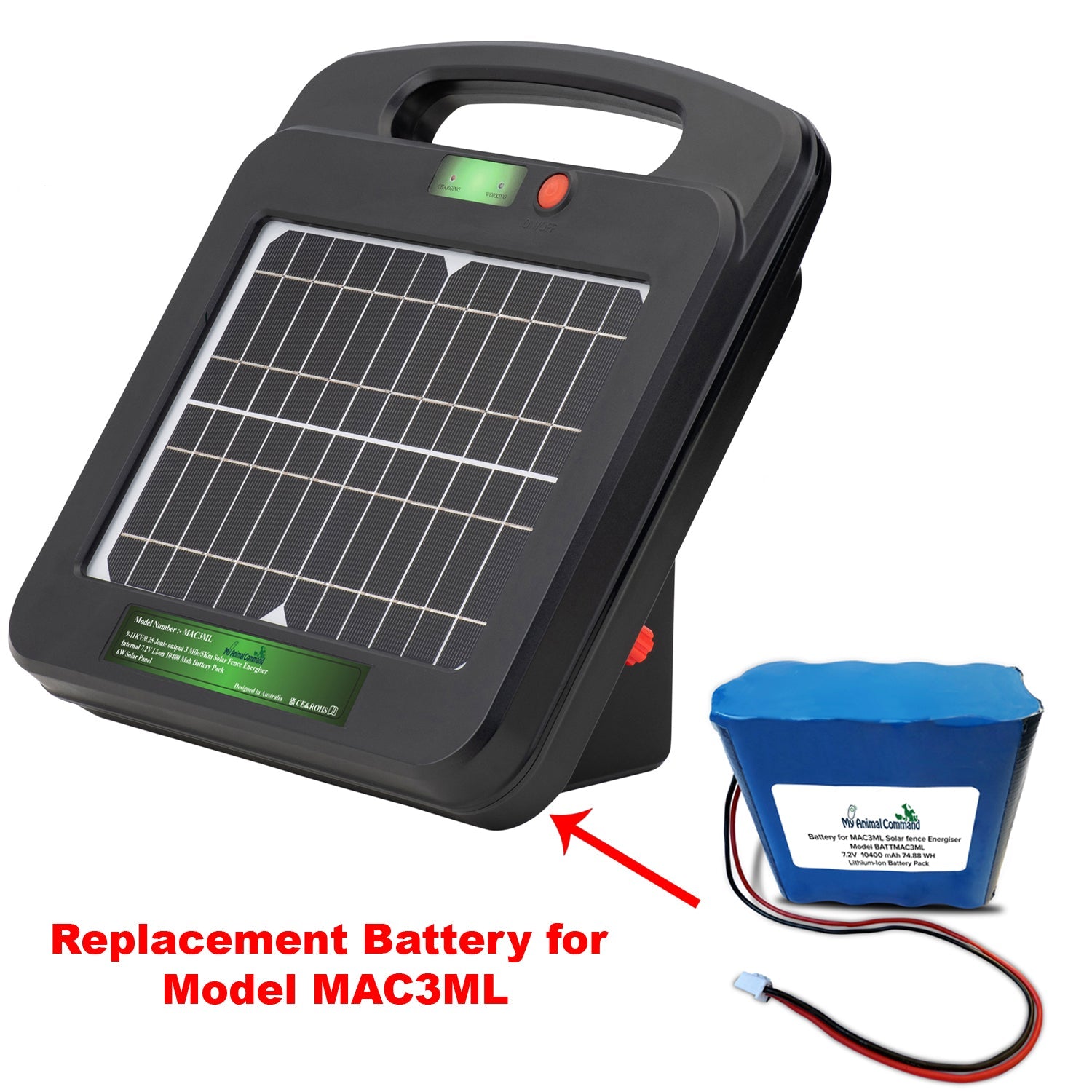

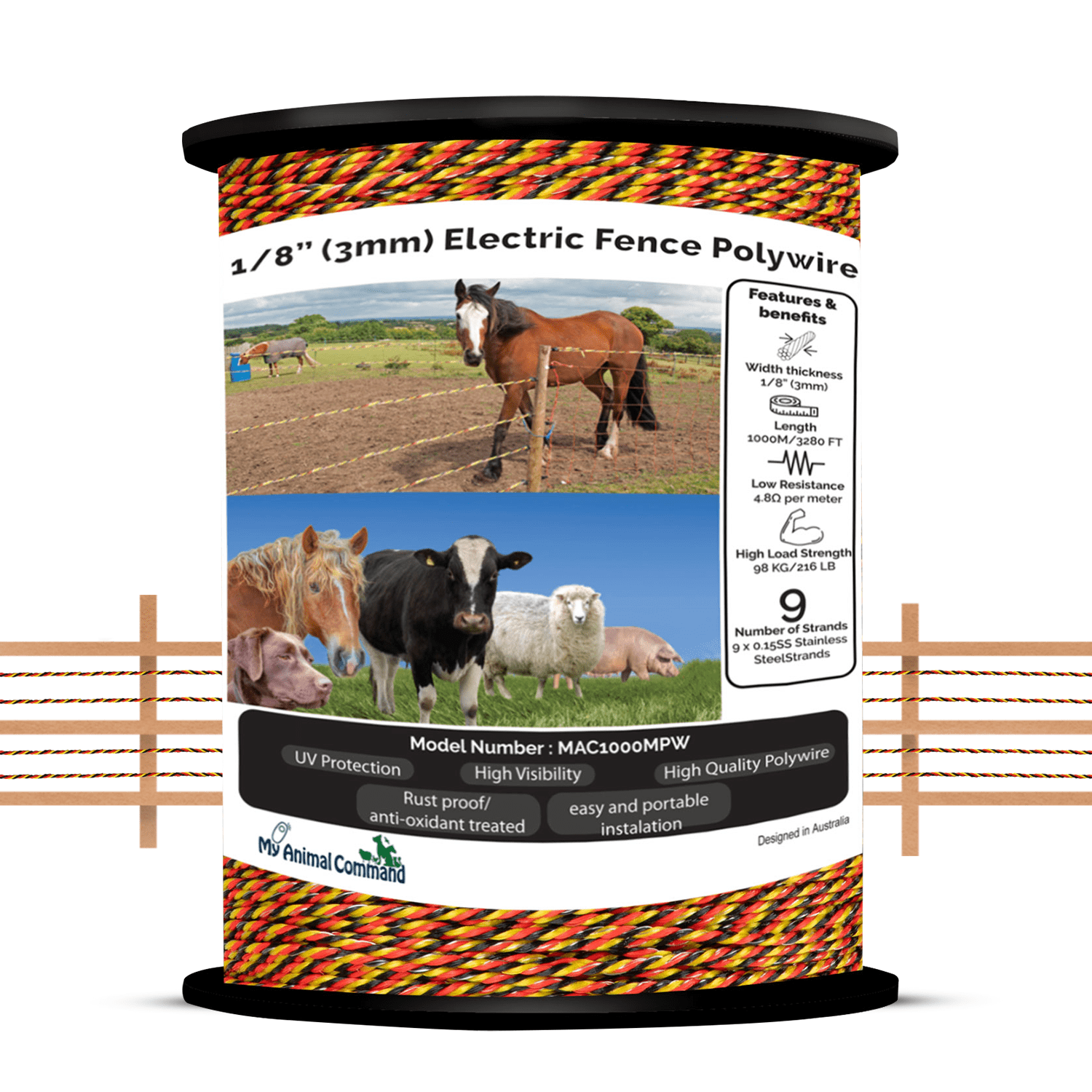

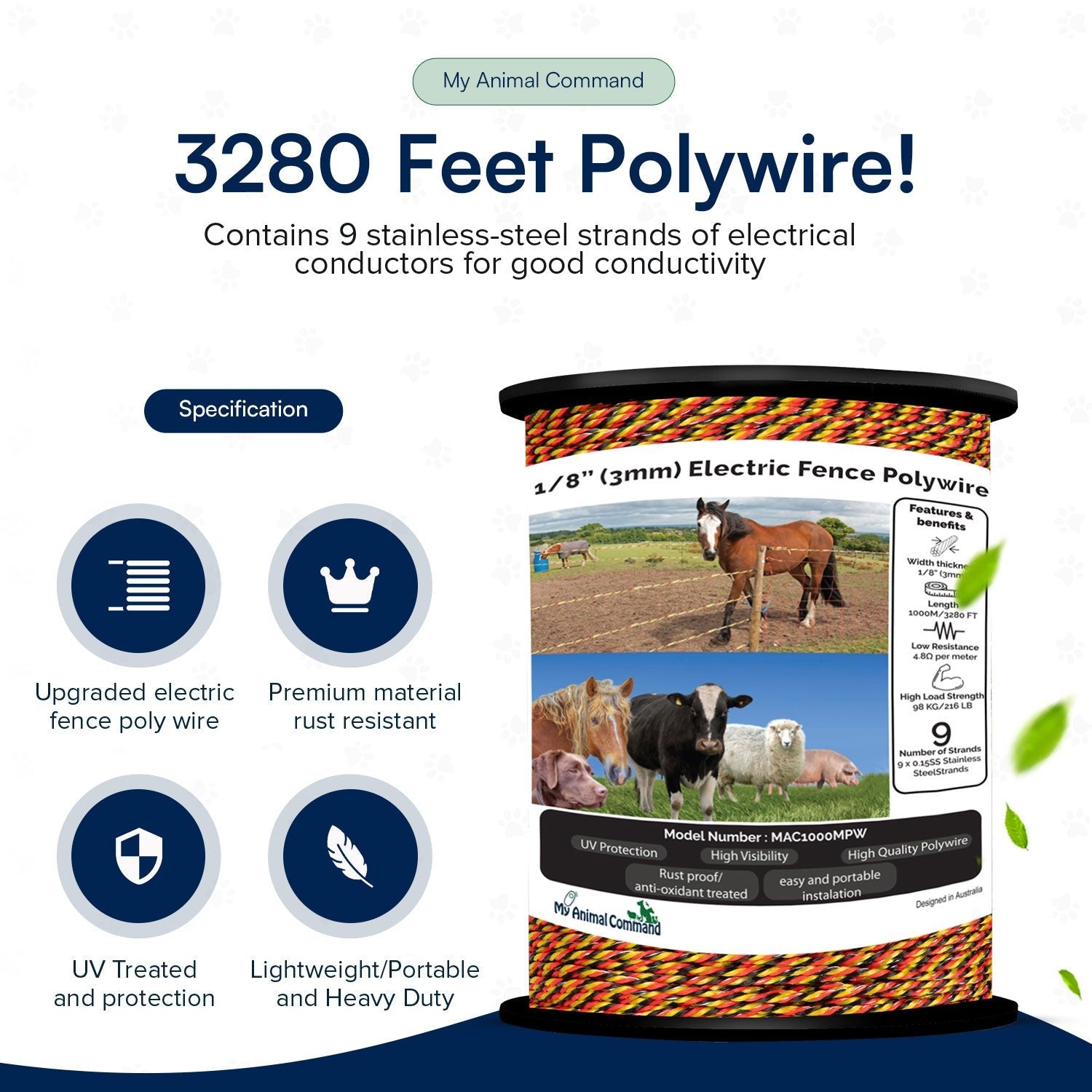
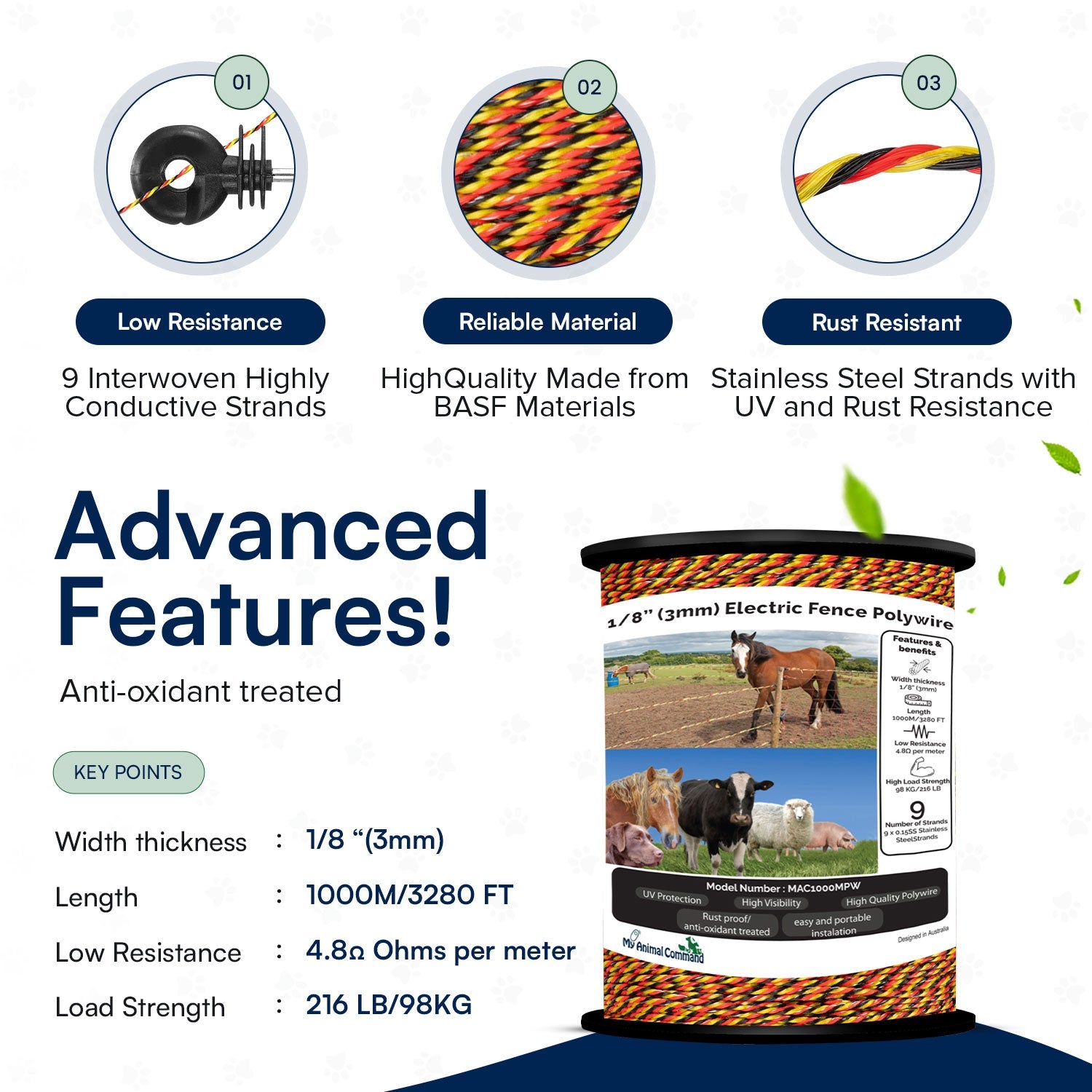


Keep horses, cattle, sheep, goats, and poultry safely contained with electric fencing built for farms, homesteads, and backyards. This collection brings together solar-powered fence energizers, high-visibility polywire, and pre-assembled electric fence netting, so you can build or upgrade a complete system in one place.
Solar energizers charge during the day and store power in a rechargeable battery, making them a practical choice for remote pastures without mains electricity. Polywire is lightweight and easy to run along temporary or rotational paddocks, while pre-assembled netting sets up quickly for poultry, sheep, goats, and pigs.
Not sure how much power your fence needs? Read our guide: How Many Volts Does an Electric Fence Need for Cattle?
Frequently Asked Questions
Do solar fence energizers work on cloudy days?
Solar energizers store power in a rechargeable battery, so they keep running through short stretches of cloudy weather. How long they last depends on the amount of sunlight, the battery capacity, and the length of your fence.
What's the best electric fence for chickens and poultry?
Pre-assembled electric netting is a popular choice for poultry because it's portable and easy to move. The mesh helps keep birds in and predators out. Keep grass and weeds trimmed along the bottom so they don't drain power from the fence.
Should I choose polywire or electric netting?
Polywire works well for horses, cattle, and temporary or rotational paddocks, since it's light and quick to run over long distances. Netting is better for smaller animals such as poultry, sheep, goats, and pigs, which can slip between single strands.
Are electric fences safe for animals?
A properly installed electric fence delivers a short, sharp pulse that teaches animals to respect the boundary. Always follow the manufacturer's instructions, post warning signs where needed, and check local rules for electric fencing.
